BUILT ON BLUEGRASS STONE
Central Kentucky masonry carries a distinct heritage, from hand-laid Ordovician limestone dry-stacked boundaries to load-bearing brick estates. Over decades, structural settling, crumbling bed joints, and face spalling compromise both structural stability and architectural character.
The primary catalyst is the Bluegrass freeze-thaw cycle paired with subterranean moisture pressure. Water enters hairline fissures in unsealed joints, expanding under winter frosts and fracturing historical lime mortar matrices from within.
Bluegrass Stone & Masonry provides professional masonry repair in Lexington, KY for homeowners dealing with cracked mortar, loose bricks, damaged stone, deteriorated joints, and weather-related masonry problems. Kentucky’s changing temperatures, moisture, and freeze-thaw cycles can gradually weaken brick and stone surfaces, making timely repairs important for protecting your home.
If you are searching for masonry repair near me, our team evaluates the condition of your masonry and recommends repairs based on the source of the damage—not simply the visible symptoms.
Professional Masonry Repair Services
Homeowners comparing masonry repair contractors near me should look for workmanship that addresses both appearance and long-term performance. We carefully match existing brick, stone, mortar color, and joint profiles whenever possible.
Cracked and deteriorated mortar repair
Loose brick and stone repair
Exterior wall restoration
Chimney masonry repair
Damaged masonry joint replacement
Historic masonry restoration
Water-damaged masonry repair
Stone and brick replacement
DIAGNOSTIC ASSESSMENT
Signs You Need
Professional Help
Early identification of masonry fatigue prevents compounding structural instability. Inspect your stone walls, facades, and foundations for these critical symptoms of movement and moisture intrusion.
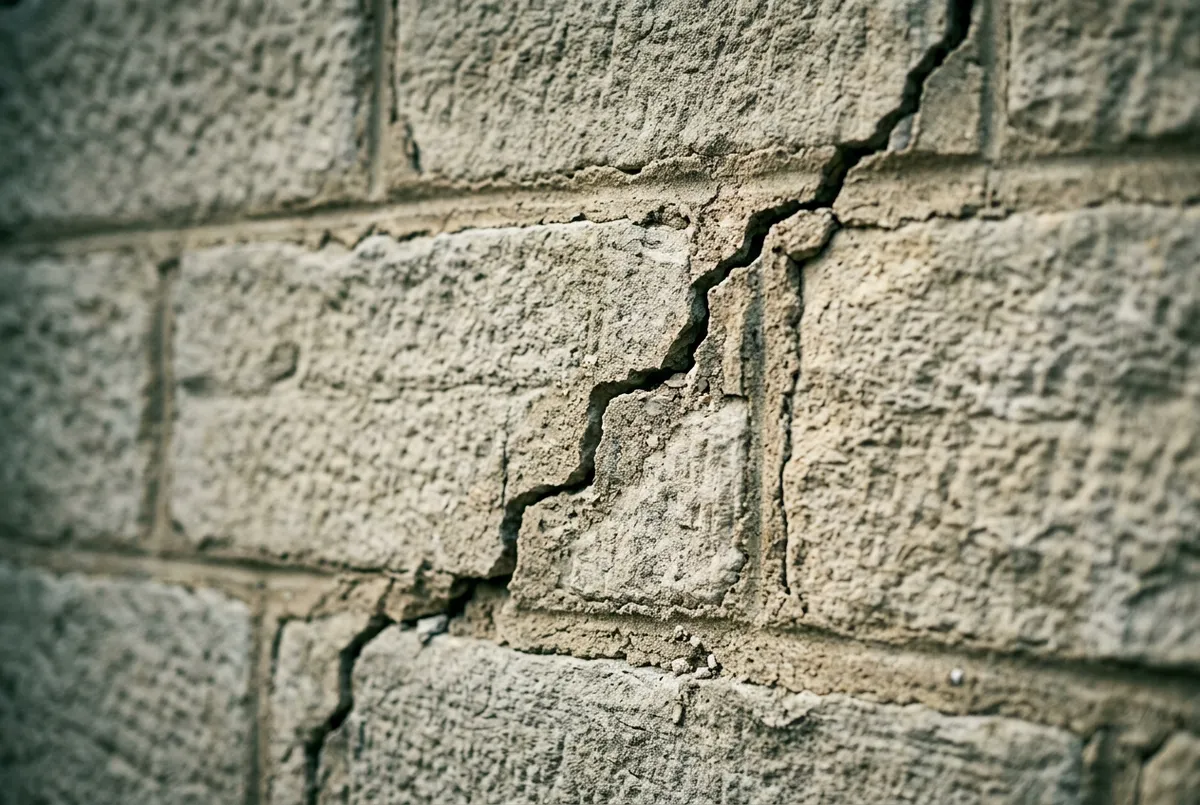
Visible Structural Cracking
Diagonal or stair-step fractures across mortar courses, split stone units, and widening gaps along limestone joints signify differential foundation settlement or excessive load stress requiring immediate diagnostic attention.
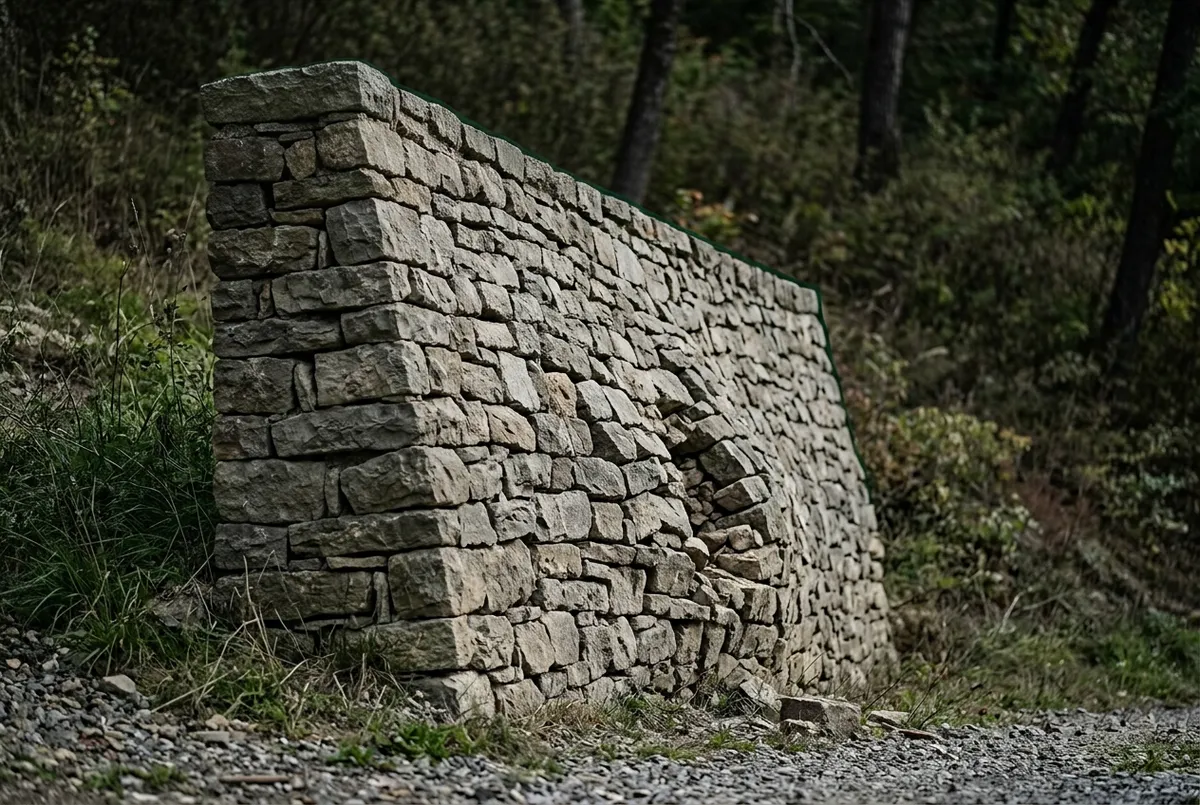
Bowing & Leaning Walls
Outward bulging, tipped retaining segments, or lost vertical plumb indicate excessive lateral earth pressure and subterranean drainage failure behind your dry-stacked or mortared stone structures.
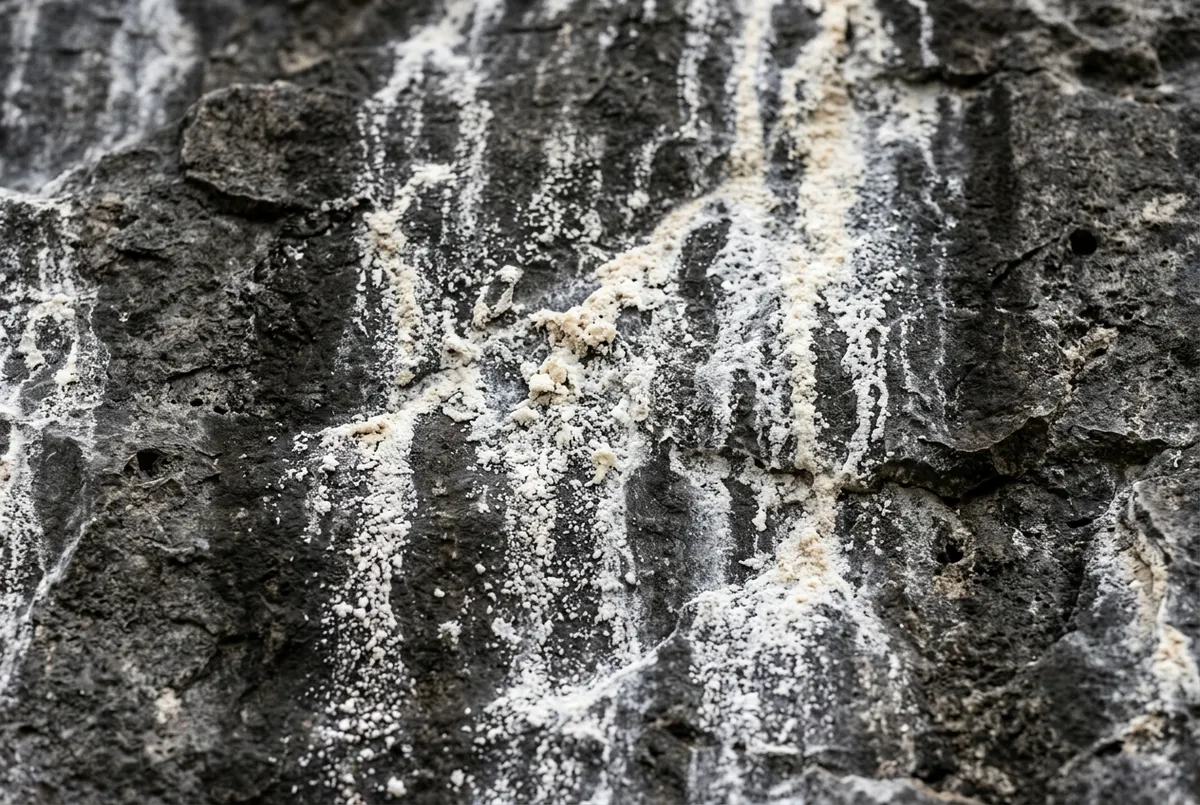
Efflorescence & Deep Staining
Powdery white mineral deposits, persistent damp discoloration, and crumbling mortar indicate severe moisture travel through stone pores, predisposing the assembly to winter freeze-thaw spalling.
DEFINITIVE REPAIR SPECIFICATIONS
Comprehensive
Masonry Services
Every restoration project adheres to rigorous regional standards. Our complete physical intervention scope includes sub-surface stabilization, targeted water remediation, and full-depth lime mortar rebuilding.
PHASE 01: STRUCTURAL INTEGRITY
Crack Repair & Sub-Surface Stabilization
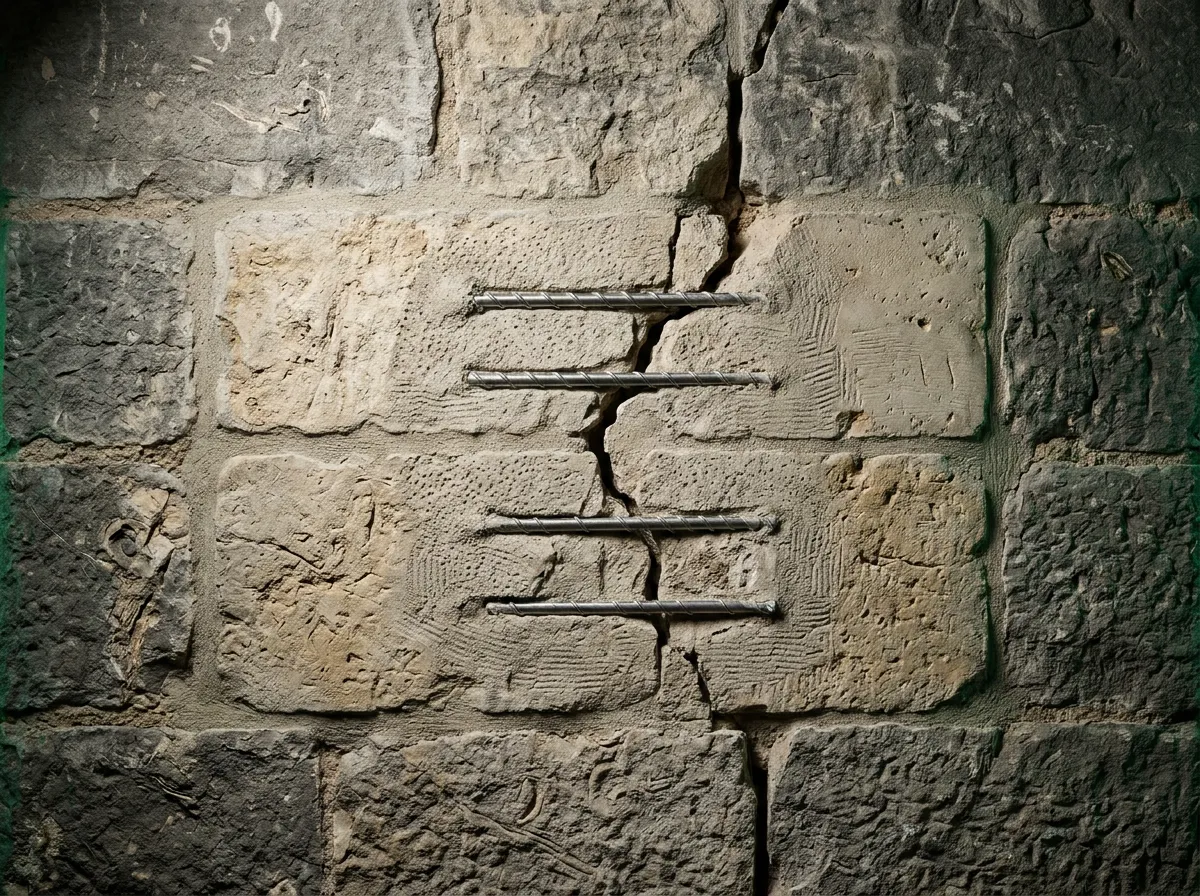
Active shear fractures and stair-step mortar separations are mechanically corrected using precision helical stainless-steel stitching bars and low-pressure breathable hydraulic lime grouting. Our team rakes out compromised joints to a minimum depth of twice the joint width, extracts fractured rubble cores, and resets shifted limestone courses without altering the original load vectors. This mechanical reinforcement stabilizes the entire masonry plane against continuous thermal cycling and ground movement.
PHASE 02: MOISTURE CONTROL
Water Intrusion Fixes & Moisture Barriers
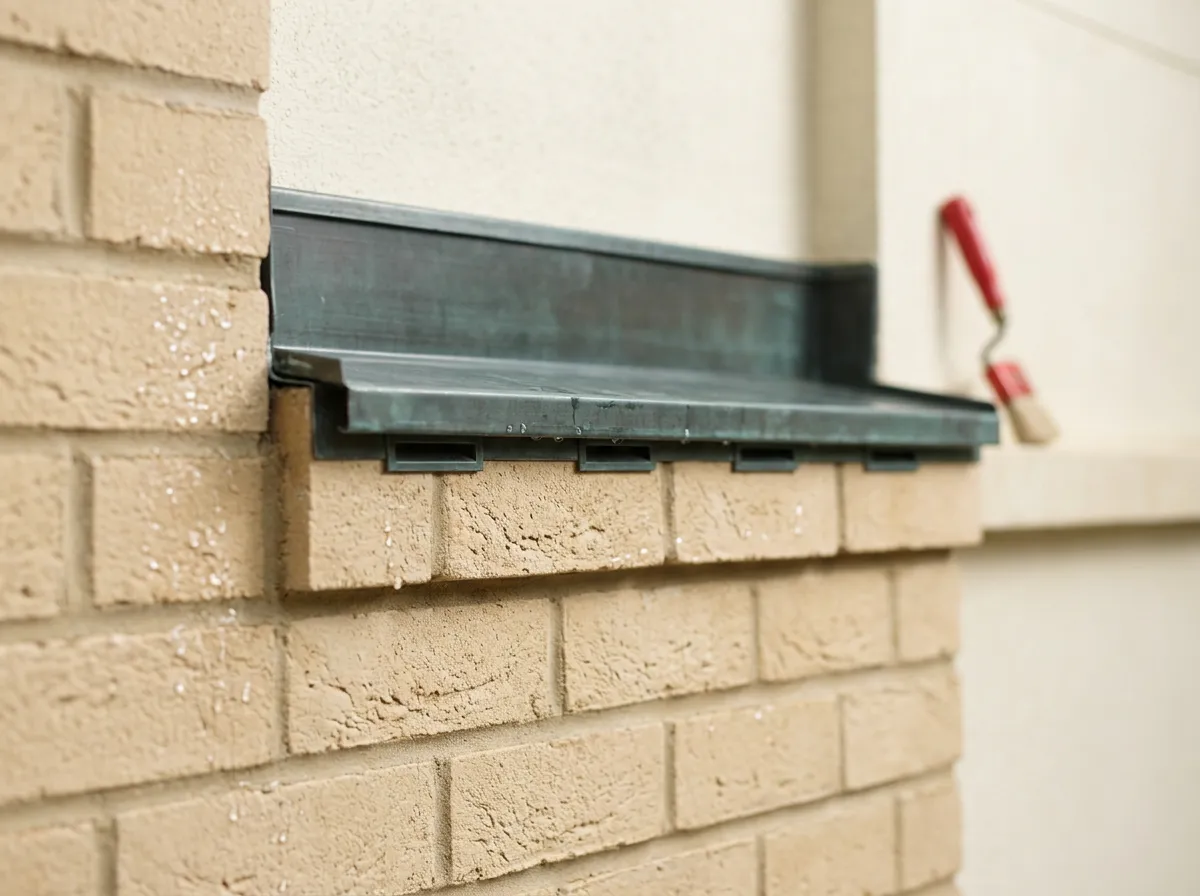
Uncontrolled water penetration causes irreversible sub-surface spalling and mortar leaching. We install lead-coated copper through-wall flashing, integrated drip edges, and clear cavity weep vents that redirect trapped moisture outward. Sub-grade joints receive non-film-forming siloxane penetrants that preserve full vapor permeability while completely blocking liquid absorption, effectively stopping efflorescence and freeze-thaw decay in Bluegrass masonry.
PHASE 03: BASEMENT & PERIMETER
Foundation Masonry & Maintenance
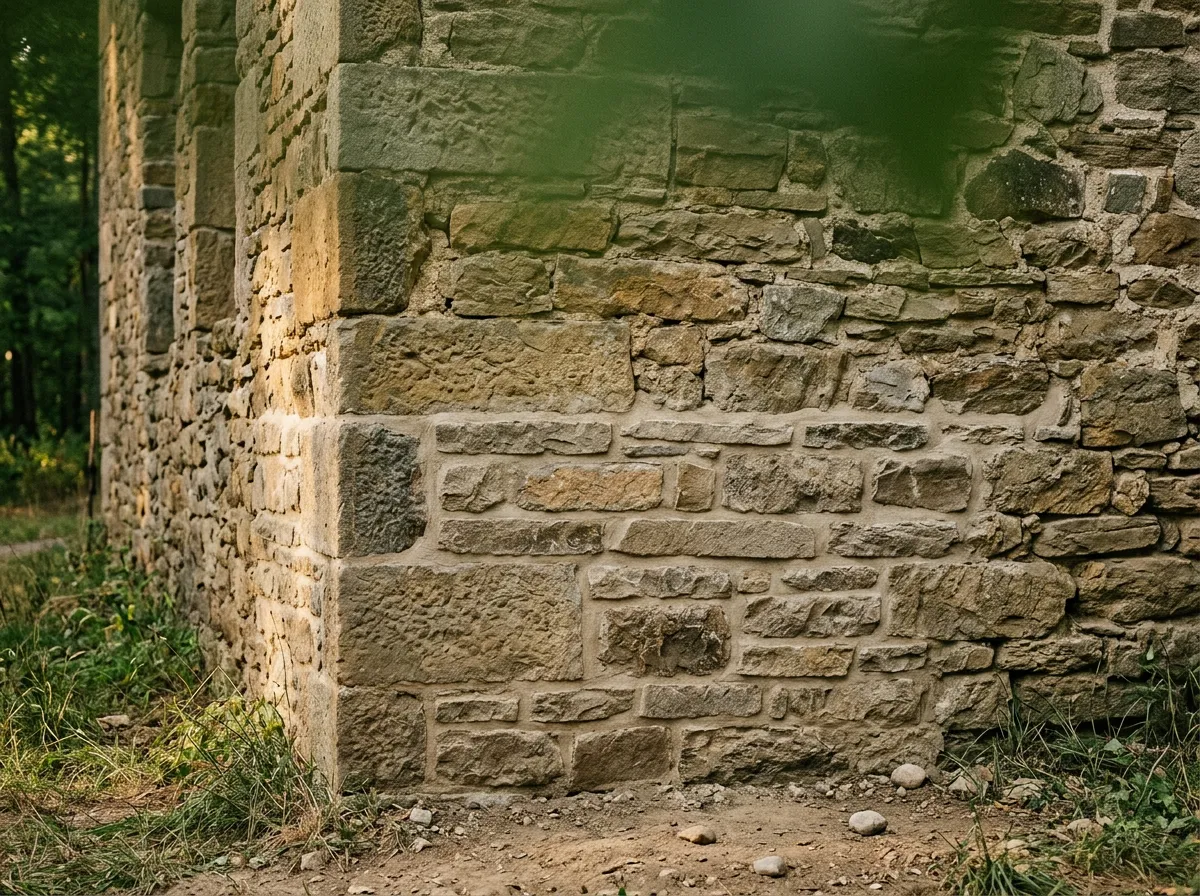
Heavy Kentucky stone foundations require specialized structural resetting and deep void consolidation. We rebuild deteriorated rubble footings using matched regional limestone blocks laid in soft, flexible natural hydraulic lime mortars (NHL 3.5). The process includes repinning loose bond stones, leveling historical sills, and applying parge coats engineered to expand and contract in direct harmony with the native bedrock foundation.
Brick, Stone & Mortar Restoration
Damaged brickwork can allow moisture to penetrate walls and accelerate deterioration. Our Brick Repair services restore cracked, loose, or weathered masonry while preserving the appearance of the home.
For deteriorated mortar joints, our Tuckpointing & Repointing services remove failing mortar and replace it with properly matched material.
We also provide Stone Masonry repair for damaged walls, foundations, columns, and landscape features.
Local Masonry Repair Contractors
Whether you need minor brick masonry repair, mortar restoration, or more extensive masonry rehabilitation, Bluegrass Stone & Masonry serves Lexington and surrounding Central Kentucky communities.
If you are searching for masonry repair Lexington KY or dependable masonry repair near me, contact our team today.
METHODICAL BLUEGRASS CRAFTSMANSHIP
Our Trusted
Process
Every Kentucky stone wall, historic chimney, and structural mortar joint requires deliberate diagnostics and heritage masonry techniques. Here is our six-stage standard for lasting restoration.
Free Inspection
Stage 01On-site visual and structural assessment of your limestone, brick, or mortar joints across exterior facades, chimneys, or perimeter stone fences.
Root-Cause Diagnosis
Stage 02We pinpoint the exact mechanical origins of deterioration—identifying freeze-thaw water penetration, ground shifting, or past incompatible mortar recipes.
Written Estimate
Stage 03A transparent, line-item specification outlining material matching, repointing depths, stone sourcing, and guaranteed fixed pricing without hidden add-ons.
Repair Execution
Stage 04Master craftsmen delicately rake damaged joints, reset loose structural stones, and install period-accurate lime-based binders to preserve masonry breathing.
Matching Finish
Stage 05Custom aggregate tinting and historically faithful joint tooling ensure newly cured repairs blend seamlessly into aged Kentucky architectural stonework.
Follow-Up
Stage 06Final walkthrough, comprehensive site cleanup, cure inspection, and proactive seasonal maintenance guidance to protect your investment for decades.
FIELD DIAGNOSTIC GUIDE
Signs You Need
Professional Help
Early identification of structural movement and mineral degradation prevents irreversible damage to historic Kentucky limestone and brick architecture.
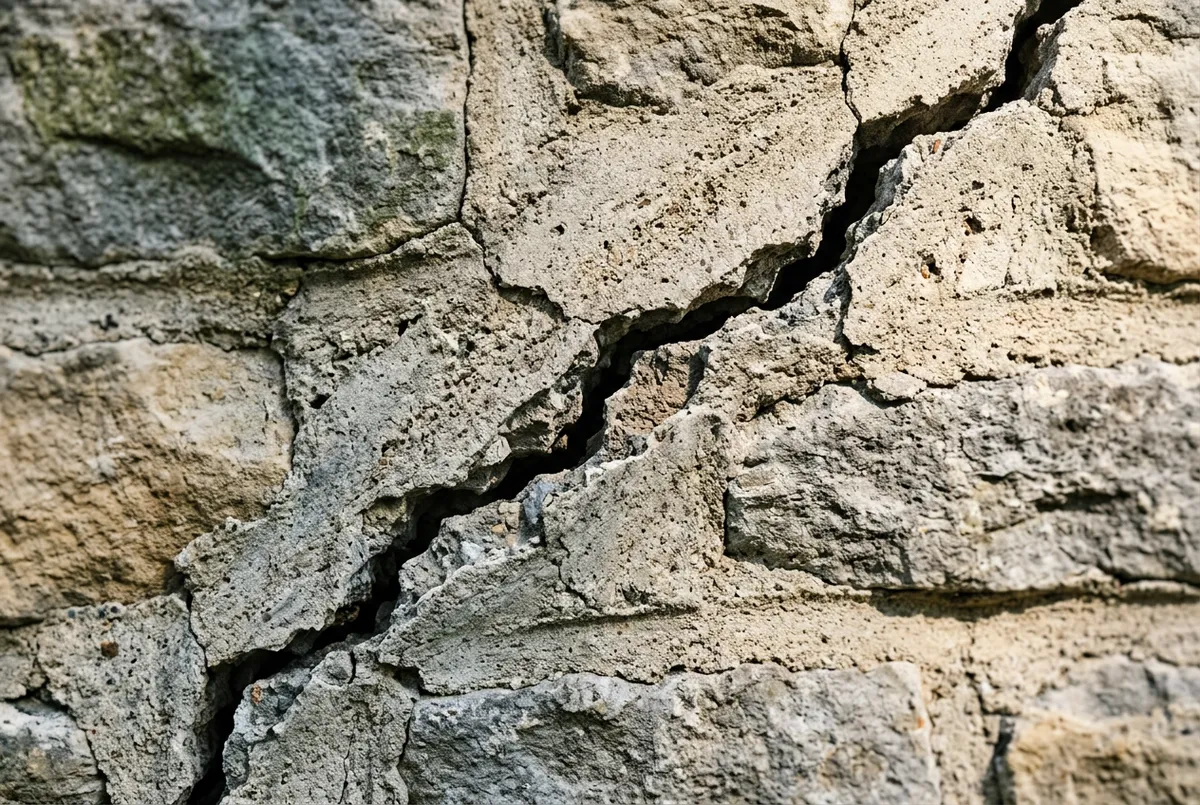
Visible Cracking
Stair-step fractures through lime mortar beds or vertical shears splitting genuine Kentucky limestone indicate active foundation displacement and differential ground settlement.
Key Risk: Shearing of individual structural stones and progressive load imbalance across load-bearing wythes.
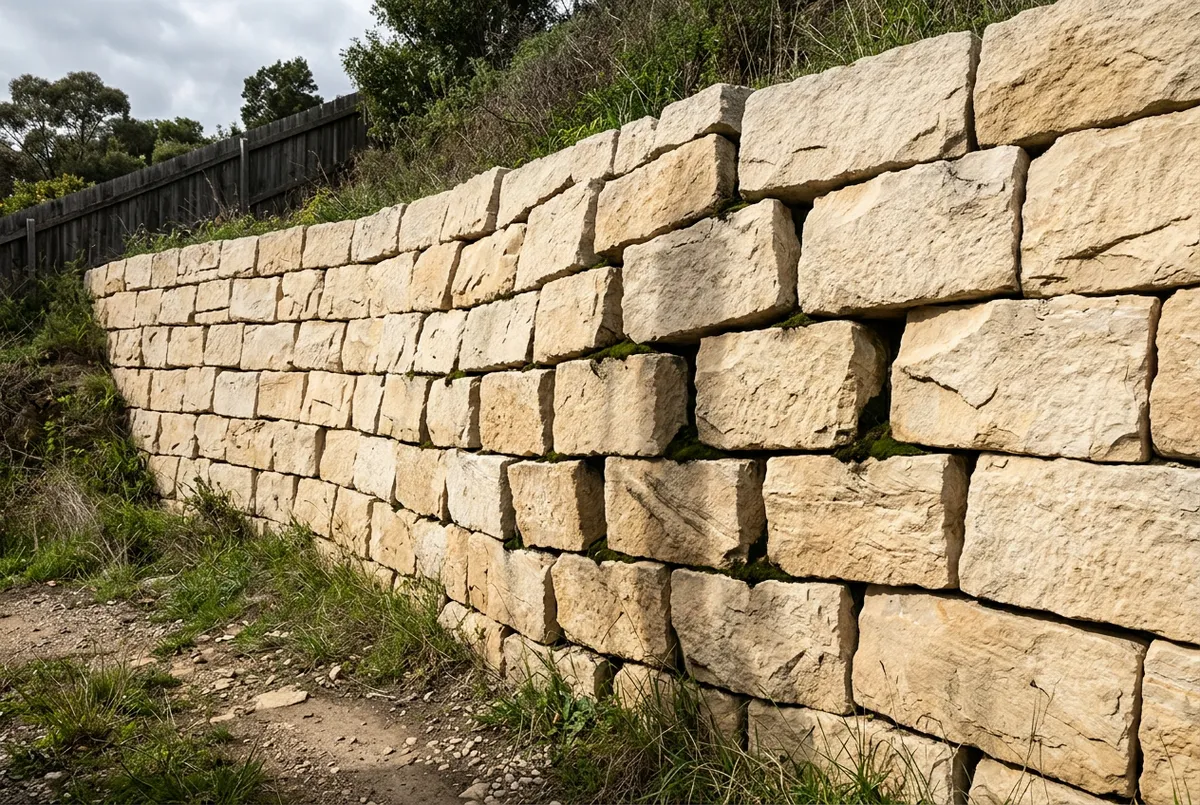
Leaning / Bowed Walls
Lateral hydrostatic pressure from saturated clay soils causes retaining facades and pasture perimeter boundaries to bow outward, signaling gravity friction failure.
Key Risk: Sudden gravity blowout under prolonged moisture surcharge without immediate structural shoring.
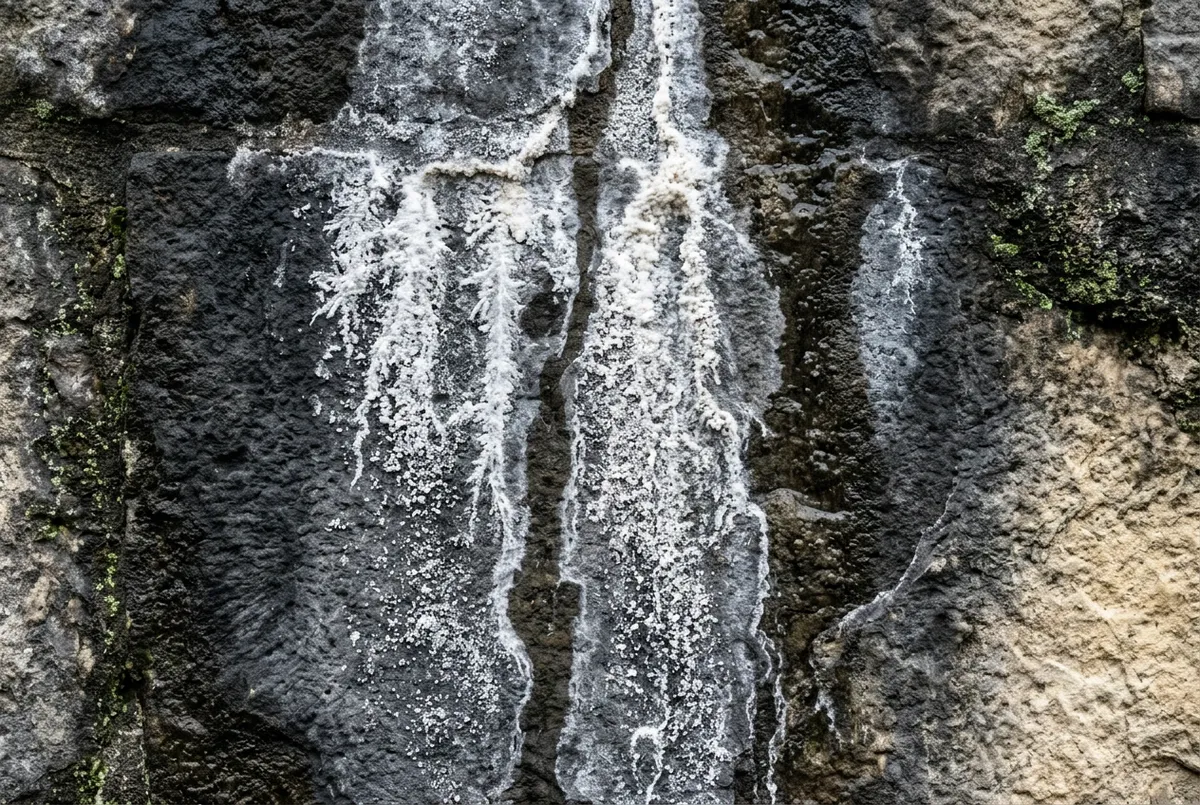
Efflorescence & Stains
White powdery crystalline deposits and dark capillary staining prove that trapped subsurface moisture is actively leaching binder salts and dissolving soft lime bedding.
Key Risk: Sub-surface spalling and freeze-thaw face detachment during harsh Bluegrass winter transitions.
TRANSPARENT RESTORATION PRICING
Understanding Your
Investment
Every historic masonry project is dictated by structural physics, material authenticity, and environmental exposure. We evaluate these four essential variables to scope each project with exactitude.
FACTOR 01
Cosmetic vs. Structural
Surface tuckpointing and cleaning require specialized hand tools but minimal structural shoring. In contrast, bowing retaining walls or cracked load-bearing piers demand helical stabilization and complete section re-laying.
FACTOR 02
Extent of Damage
Isolated spalling on an outer veneer is addressed rapidly. Deep moisture intrusion that has dissolved inner core mortar across multiple wythes requires progressive teardown, internal drainage, and meticulous rebuilds.
FACTOR 03
Site Accessibility
Ground-level entry gates and paddock walls allow straightforward staging. High chimney stacks, steep roof pitches, or tight historic courtyard easements necessitate multi-tier OSHA scaffolding and manual stone transport.
FACTOR 04
Material Matching
Standard modern brick blends are readily sourced. Reclaiming weathered Kentucky fieldstone, matching regional Lexington limestone vein patterns, and custom-blending breathable hydraulic lime mortars require archival curation.
CENTRAL KENTUCKY ENVIRONMENTAL REALITY
The Freeze-Thaw
Impact
Central Kentucky experiences an average of 45 dramatic freeze-thaw cycles every single winter. When sub-surface moisture enters porous regional limestone and traditional lime mortar, the expanding ice exerts hydraulic pressures exceeding 2,000 pounds per square inch: slowly shearing structural bedding planes and spalling historic masonry from within.
45+ Annual Cycles • Native Limestone Vulnerability • Hydraulic Ice Expansion
DECISION FRAMEWORK
Repair vs.
Rebuild
An objective assessment protocol to determine whether targeted restoration preserves your structural integrity or if full historic reconstruction is required.
When to Repair
Targeted intervention is optimal when original stone substrate and underlying mortar beds remain sound.
- Localized mortar deterioration spanning less than 25% of total surface area
- Individual cracked or spalled limestone units with stable surrounding masonry
- Surface-level hairline settling cracks without active lateral displacement
- Preservation of original historic mortar profile and salvageable stone units
- Cost-effective preservation delivering 15+ years of extended lifespan
When to Rebuild
Complete deconstruction and systematic relaying become necessary when core structural stability is compromised.
- Widespread structural displacement, pronounced wall bowing, or active leaning
- Deep foundation subsidence causing step cracks through continuous stone courses
- Internal core collapse or total bond failure across more than 40% of the wall
- Imminent safety hazards with falling stone units threatening property or persons
- Comprehensive rebuilds resetting structural lifespan for 50 to 100+ years
Unsure which category your wall falls under? We perform on-site structural assessments across Central Kentucky.
CRITICAL STRUCTURAL WARNING
The Risks of DIY Masonry
Improper repairs using modern rigid Portland cements destroy historic Bluegrass stone. Trapped moisture, accelerated spalling, and unaddressed foundation settling turn manageable tuckpointing into catastrophic structural failure.
Structural Compromise
Applying modern, overly hard mortar to soft historical masonry cracks surrounding stone units under natural building movement.
Hidden Water Damage
Improper joint sealant traps moisture inside the wall cavity, generating severe interior freeze-thaw expansion during Kentucky winters.
Devalued Heritage Aesthetic
Mismatched sand grain profiles and smear marks cause permanent face-scarring, significantly lowering estate resale valuation.
Preserve your stonework before irreparable structural damage occurs. Consult our Kentucky craftsmen.
BLUEGRASS CLARITY & STANDARDS
Common Questions
Definitive answers regarding regional stone integrity, historic mortar formulation, insurance assessments, and project logistics throughout the Kentucky corridor.
How do I determine the severity of cracks in my masonry?
Hairline cracks under 1/16-inch along mortar joints often indicate normal seasonal settling, whereas stair-step fractures or displaced limestone units wider than 1/4-inch signal active subgrade movement or structural load shifts. Our diagnostic assessment measures depth, vector displacement, and moisture intrusion to establish whether the wall requires surgical tuckpointing or deep helical underpinning.
What is the typical scope of a restoration project?
Every project begins with a careful survey of the bond pattern, lime composition, and regional stone variety. Scope spans from spot repointing and precision stone-facing repairs to full wall deconstruction and rebuilding using historic lime-sand ratios and hydraulic bedding mortars that respect the surrounding assembly.
What primary environmental factors cause masonry failure in Kentucky?
The Bluegrass freeze-thaw oscillation is the leading cause of regional masonry deterioration. Saturated limestone draws water into porous micro-fissures, which expands rapidly during sudden cold snaps, fracturing unyielding modern Portland patches and dislodging weathered dry-stack courses.
Does homeowner insurance cover structural masonry and foundation repair?
Standard policies typically cover sudden, accidental damage such as impact or severe storm events, but routinely exclude gradual ground settlement or wear. We provide thorough photographic documentation and structural itemizations to support any applicable insurance claim.
What is your emergency assessment and standard response time?
For urgent structural compromises or active wall collapses, our field team mobilizes within 24 to 48 hours to execute stabilization shoring. Non-emergency consultations and full site evaluations are scheduled within three to five business days across the corridor.
How are comprehensive repair estimates formulated?
Estimates are generated following a physical on-site inspection of the mortar depth, limestone quarry match requirements, site accessibility, and structural load calculations. You receive an itemized, fixed-scope proposal with no hidden allowances or surprise overages.
Which specific areas do you service in Shelbyville and Fayette County?
We maintain daily service routes spanning downtown Shelbyville, Simpsonville, and Finchville, as well as Lexington, UK campus historic zones, Athens, and the rural equestrian properties of northern and western Fayette County.
What are the structural risks of ignoring masonry cracks?
Minor fissures allow rainwater to migrate behind the stone veneer, eroding inner backup wythes and accelerating subgrade foundation settlement. Over two to three winter seasons, unattended hairline cracks frequently escalate into complete wall displacement requiring structural rebuilding.
Can masonry repairs and tuckpointing be conducted during winter?
Yes. While standard mortars fail below 40 degrees Fahrenheit, we utilize insulated thermal enclosures, heated aggregate batching, and custom non-chloride curing compounds to execute structurally certified masonry restorations throughout the coldest Kentucky months.
How do you ensure replacement mortar matches aged historic stonework?
We formulate custom lime-sand mixtures based on microscopic aggregate analysis of your structure's original bed joints. By matching sand grain gradation, local limestone dust pigments, and natural weathering tones, our repairs integrate seamlessly without artificial discoloration.
BLUEGRASS FIELD OFFICE
Regional Coverage & Consultation
Dedicated historic stone restoration teams stationed throughout Shelby and Fayette Counties. Direct consultations, structural analysis, and physical site assessments.
- Fayette County: Lexington, Athens, Masterson
- Shelby County: Shelbyville, Simpsonville, Finchville
- Certified Historic Lime & Mortar Formulations
- Comprehensive Structural Condition Reports
DIRECT CRAFTSMAN CONSULTATION
Restore Your
Masonry Today
Protect your historic stonework and structural brick before seasonal moisture penetration accelerates deterioration. Speak directly with a local Kentucky master mason.
Direct phone & SMS line • Quick response across Central Kentucky
Lexington, Kentucky
Monday–Friday: 7 AM–6 PM
Saturday & Sunday: Closed


Explore Bluegrass Stone & Masonry