ARCHITECTURAL MASONRY & RESTORATION · FAYETTE COUNTY
Brick Repair in Lexington, KY
Historic and contemporary masonry throughout Central Kentucky faces severe stress from regional freeze-thaw cycles, sub-surface moisture intrusion, and the natural shifting of Fayette County's clay-heavy soils. When mortar joints deteriorate or structural spalling emerges, prompt stabilization is essential to prevent extensive water infiltration and preserve the structural integrity of your property.
Effective masonry repair demands meticulous technical precision. We formulate custom sand-and-lime mortar batches specifically calibrated to match the compressive strength, porosity, and aggregate color of your existing wall. By pairing historical aggregate analysis with skilled joint preparation, we ensure every replaced unit bonds seamlessly without causing stress fractures in surrounding coursework.
Whether restoring 19th-century pressed brick in downtown Lexington or reinforcing architectural facades across surrounding Bluegrass estates, our master masons deliver permanent, structurally sound solutions designed to endure Kentucky weather for generations.
Licensed & Insured Master Masons · Exact Historic Brick Matching · Free On-Site Fayette County Assessments
CRITICAL STRUCTURAL WARNINGS
Signs You Need Repair
Masonry failure accelerates rapidly through freeze-thaw cycles. Identifying these three key indicators early prevents catastrophic brick displacement and costly structural reconstruction.
Brick Spalling & Flaking
When moisture penetrates unsealed clay units, winter freezing pops off brick faces. Once the vitrified exterior surface is lost, core disintegration accelerates rapidly.
- Crumbling, pitted outer masonry faces
- Red dust piles gathering below base walls
- Accelerated interior moisture transmission
Structural Step Cracking
Diagonal stair-step cracks through mortar joints indicate active foundation settling or uneven load distribution. Left unaddressed, entire sections of the wall can shift outwards.
- Diagonal fractures across mortar pathways
- Visible gaps wider than 1/8 inch (3mm)
- Sticking windows or skewed exterior frames
Mortar Erosion & Decay
Washed-out or sandy joint mortar compromises compressive stability. Gaps deeper than 1/4 inch channel rain directly into the backup wall framing and interior insulation cavities.
- Recessed joints eroding past 1/4 inch depth
- Chalky or powdery mortar easily scraped by key
- Loose individual bricks ready to slide out
Prompt inspection preserves historic brick integrity and limits restoration scope.
COMPLETE SCOPE OF WORK
Comprehensive Service Included
Every brick restoration commission begins with thorough structural evaluation, exact historical matching, and uncompromised masonry execution. We eliminate guesswork with upfront, all-inclusive restoration protocols engineered specifically for Kentucky architecture.
Certified Master Craftsmen : Transparent Quotations : Full Site Clean-Up Included
Historical Brick Matching
Accurate period brick sourcing and salvage alignment ensuring uniform grain, texture, and structural cohesion.
Custom Mortar Analysis
Laboratory-grade binder testing to balance lime-to-sand ratios, pigment hues, and exact compressive strength.
Precision Joint Preparation
Non-destructive mechanical mortar raking to 3/4-inch depth, creating pristine keyways for lasting adhesion.
Neutralizing Wash & Seal
Post-cure low-pressure efflorescence clearing and breathable siloxane barrier application for weather resistance.
SYSTEMATIC RESTORATION
Our Six-Step Process
From initial structural forensics through mortar pigmentation analysis and meticulous site cleanup, our systematic workflow protects your building's architectural integrity and guarantees lasting structural permanence.
Forensic Assessment & Mortar Analysis
We evaluate underlying structural loads, moisture paths, and historical mortar composition (lime-to-sand ratio) to determine exact restoration parameters.
Precision Joint Preparation
Failing mortar is meticulously removed using hand-raking and specialized low-vibration diamond cutting tools to prevent brick edge spalling.
Historic Mortar Batch Matching
Custom aggregates and natural mineral pigments are formulated on-site to match the exact grain, texture, breathability, and historic hue of your masonry.
Unit Splicing & Anchor Setting
Cracked and crumbling bricks are carefully extracted and replaced with salvage-matched heritage units, anchored to substrate wall ties.
Layered Tuckpointing & Tooling
Mortar is packed in successive compacted lifts and cleanly strike-tooled with concave or flush profiles to shed rainwater seamlessly.
Neutral Wash & Site Restoration
Walls undergo neutral pH efflorescence cleansing and curing inspection, leaving grounds and landscaping spotless.
BLUEGRASS REGIONAL ARCHIVE & COMPOSITION
Masterful Material Matching
Preserving the architectural permanence of 19th and early 20th-century Kentucky structures requires exact geological sourcing, historic aggregate replication, and period-accurate joint profiles.
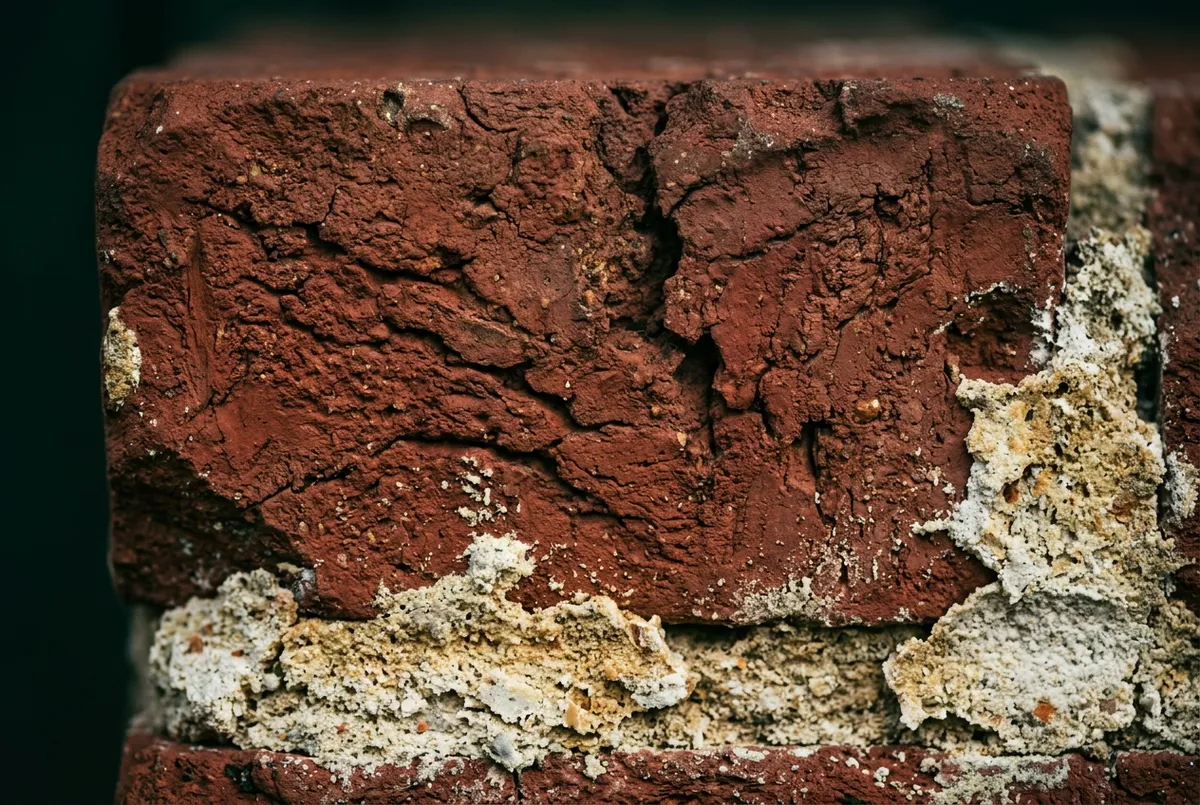
Fayette County Pressed Brick
Reclaimed and custom-molded regional clay bricks specifically matched to 19th-century Lexington estates, featuring authentic wire-cut and hand-pressed dimensional tolerances.
- Native Kentucky Red & Ironspot Blends
- Modular and Oversized Historic Gauges
- Subtle Weathered Face Texturing
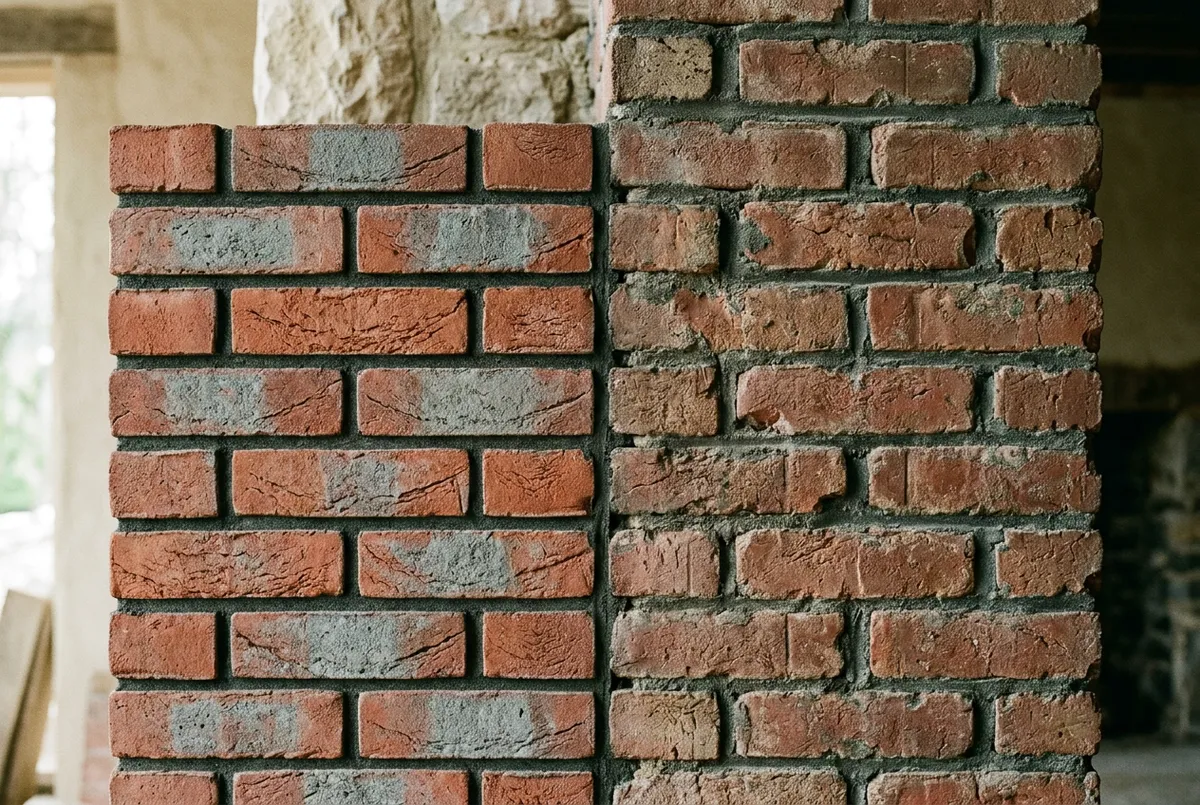
La Grange Kiln & Riverbed Blends
Formulated to integrate seamlessly into Oldham County and La Grange heritage districts, capturing the deep earthen tones and variable kiln flashings of original regional kilns.
- Deep River-Silt & Umber Undertones
- Period-Accurate Irregular Edges
- Thermal Expansion Compatibility
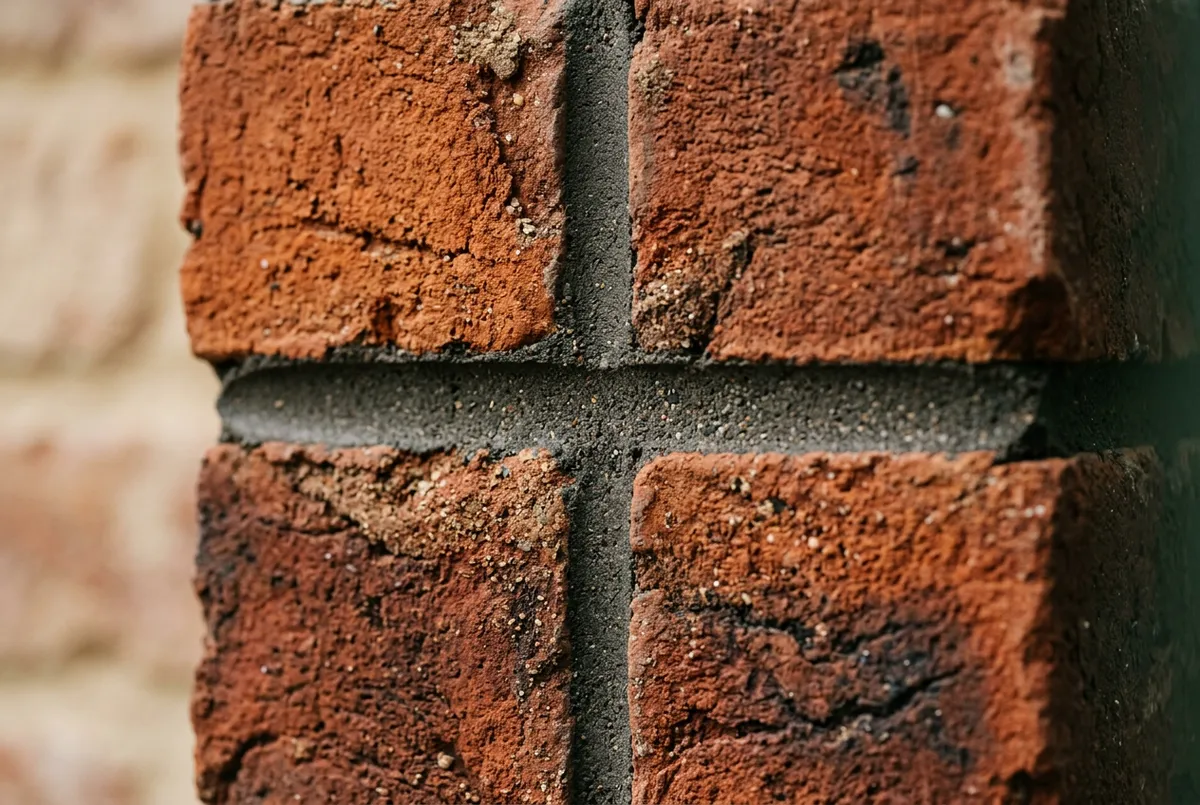
Kentucky Lime & Mortar Matrices
Custom-blended non-hydraulic and natural hydraulic lime formulas infused with local river sand and crushed limestone sand, preserving vapor permeability without spalling historic brick.
- Type K, O, and Pure Lime Mortars
- Authentic Grapevine & Beaded Profiles
- Vapor-Permeable Breathability
ESTIMATE TRANSPARENCY
Transparent Cost Factors
Every masonry restoration presents unique structural and historical conditions. We provide upfront clarity on the core variables that shape your final investment.
VARIABLE 01
Damage Depth & Scope
Surface mortar deterioration requires standard raking and pointing. When moisture penetrates past the outer wythe or spalling reaches structural brick cores, underlying backing stabilization is required.
VARIABLE 02
Site Accessibility
Ground-level foundation walls permit rapid setup and staging. Multi-story gables, chimney stacks, or tight historic property easements demand multi-tier modular scaffolding and safety rigging.
VARIABLE 03
Brick Availability
Standard modular clay bricks are readily accessible. Reclaiming authentic 19th-century regional hand-pressed brick or formulating custom historic lime binder requires dedicated sourcing and batch blending.
VARIABLE 04
Labor & Craftsmanship
True preservation relies on hand-chiseled joint removal and heritage concave tooling rather than rapid mechanical saws that slice fragile historic brick arrises, requiring master craftsmen hours.
Every quote includes a comprehensive on-site condition report with zero hidden line items.
REGIONAL CLIMATE & GEOLOGY
Rooted in the Bluegrass
Kentucky's distinctive Ordovician limestone foundation creates dynamic soil shifts that standard commercial mortar simply cannot absorb. Preservation requires formulation engineered specifically for our Commonwealth's terrain.”
Central Kentucky's geological landscape is defined by expansive karst topography: porous limestone bedrock beneath expansive, moisture-heavy clay topsoil. Throughout wet springs and sudden summer dry spells, this subterranean movement exerts severe hydraulic and lateral pressure on structural brick foundations and load-bearing walls.
Compounding this ground movement is the aggressive Bluegrass winter cycle, where ambient temperatures oscillate above and below freezing dozens of times each season. Standard Portland cement traps capillary moisture inside heritage clay brick, resulting in severe face-spalling and joint blowouts. Our specialized restoration methodology uses vapor-permeable, lime-balanced mortar formulated to breathe with Kentucky's seasonal fluctuations, safeguarding historical architectural integrity for generations to come.
CRITICAL METHODOLOGY DISTINCTION
Repair vs. Tuckpointing
Confusing cosmetic mortar renewal with deep structural remediation leads to premature wall failure. Determine the exact level of masonry intervention your property requires.
LOAD-BEARING & CORE REMEDIATION
Structural Brick Repair
Comprehensive engineering intervention required when masonry fractures pass through brick units, foundation movement occurs, or inner wythes compromise structural stability.
- Full-depth removal and replacement of cracked, spalled, or crushed brick units
- Restores core compression strength and critical load-bearing capacity
- Re-anchors masonry ties and remediates foundation settlement damage
- Prevents catastrophic water channels behind exterior wythe walls
- Mandatory when stair-step cracks exceed 1/4-inch or penetrate brick bodies
Diagnosis Rule: If individual bricks are cracked in half, bowing outward, or loose to the touch, tuckpointing alone will fail within 12 months.
SURFACE JOINT RESTORATION
Aesthetic Tuckpointing
Precision joint rejuvenation focused on scraping decayed mortar from the outer edge, repacking with fresh lime-matched mortar, and finishing with clean filleted ribbon lines.
- Rakes out degraded outer mortar to a depth of 1/2-inch to 3/4-inch
- Preserves existing solid bricks without wall disruption or teardown
- Restores crisp visual mortar lines and historic architectural definition
- Seals surface voids against wind-driven precipitation and surface freeze cycles
- Preventative and aesthetic only; cannot realign settled masonry units
Diagnosis Rule: Ideal when bricks remain intact, level, and secure, but the mortar joints are powdering, receding, or showing cosmetic hairline voids.
PRESERVATION ECONOMICS
The Cost of Delay
Masonry failure is rarely sudden. It begins as microscopic hairline fissures in the mortar bed, allowing Bluegrass seasonal freeze-thaw moisture to enter the core of your wall. Left unaddressed, localized joint deterioration evolves into structural spalling, internal substrate rotting, and irreversible load destabilization.
Timely spot repair and precision tuckpointing preserve the structural integrity of your original masonry, securing the wall's longevity for decades at a fraction of the capital required for complete structural reconstruction.
- Targeted interventions prevent core water infiltration and foundation shifting
- Preserves historical brick courses without disruptive structural demolition
- Over 85% cost savings compared to emergency wall tear-downs
PREVENTATIVE INTERVENTION
Targeted Spot Repair
Precision joint routing, custom-matched lime mortar injection, and replacement of compromised individual brick units.
Estimated Cost: $450 – $1,800 · Typical Timeline: 1–2 Days
NEGLECTED FAILURE CONSEQUENCE
Full Wall Demolition & Rebuild
Total masonry tear-down, framing stabilization, structural shoring, disposal, and complete bricklaying from foundation up.
Estimated Cost: $12,000 – $35,000+ · Typical Timeline: 2–4 Weeks
TRANSPARENT ANSWERS & TECHNICAL GUIDELINES
Your Questions, Answered
Clear, direct guidance on mortar chemistry, structural diagnostic standards, historic preservation protocols, and project timelines.
What is the primary difference between tuckpointing and full brick repointing?
Repointing involves the systematic mechanical removal of deteriorated mortar to a depth of 3/4 inch and packing fresh mortar into the joint cavity. Tuckpointing is a refined aesthetic technique where two contrasting mortar colors are applied - one matching the brickwork and a razor-thin contrasting fillet applied down the center - to create an ultra-crisp, pristine joint appearance.
Why is hard modern Portland cement dangerous for older brick structures?
Historic clay bricks fired before the mid-20th century are softer and more vapor-permeable than contemporary units. If rigid Type M or S modern Portland mortar is installed, natural thermal expansion causes excessive stress on the brick edges rather than the sacrificial mortar joint. This leads to catastrophic face spalling, cracking, and permanent masonry destruction.
How do you achieve an exact color and aggregate match on historic mortar?
We take physical core samples from protected elevations of your structure to analyze binder ratios, sand grain sizing, and natural pigments. Our team custom-blends locally sourced Kentucky river sands, non-hydraulic lime, and natural mineral oxides to replicate historical patina, texture, and vapor permeability.
What are the telltale indicators that brick damage is structural rather than cosmetic?
Stair-step cracking wider than 1/4 inch across multiple courses, diagonal shearing through both brick faces and joints, horizontal bowing along wall planes, and separated door or window headers indicate active foundation deflection or structural settlement requiring engineered stabilization.
Can tuckpointing and masonry repairs proceed during cold or winter weather?
Yes, provided strict cold-weather masonry specifications are maintained. Mortar requires ambient temperatures above 40 degrees Fahrenheit for proper chemical hydration. During winter months, we construct enclosed thermal staging shelters with indirect heating to ensure mortar cures without freezing.
How long does a professional tuckpointing and brick restoration project last?
When executed with proper depth preparation, matched mortar elasticity, and full tooling compaction, historic lime and Type N mortar joints last 30 to 50 years. Preserving adequate roof drainage and preventing direct gutter overflow further maximizes joint longevity.
Do you handle custom brick matching for spalled or damaged individual units?
Yes. We maintain relationships with regional architectural salvage yards across Central Kentucky to source period-correct reclaimed wire-cut, sand-struck, and handmade heritage bricks matching original dimensions, density, and color ranges.
What dust containment and property protection measures do you employ?
We utilize OSHA-compliant HEPA vacuum-shrouded diamond extraction grinders that capture over 95% of airborne silica particulates at source. Adjacent windows, landscaping, limestone sill courses, and porches are masked with heavy protective boards and poly-sheeting.
Are your masonry restoration procedures compliant with local Historic Landmark commissions?
All our historic preservation methodologies comply with the Secretary of the Interior Standards for Rehabilitation. We provide formal material submittals, mortar analysis documentation, and joint profile specifications for municipal Architectural Review Board approvals.
What is the typical timeline and payment schedule for a residential brick repair project?
A standard residential repointing project encompassing 400 to 800 square feet typically takes 4 to 7 business days from initial joint raking through final acid-free chemical washdown. We operate on phased milestone billing tied directly to measurable job site progress.
EXPERT CONSULTATION
Have a Specific Restoration Question?
Every structure presents unique mortar chemistry and settlement conditions. Speak directly with a master mason for an on-site structural assessment.
Direct phone consultations: (859) 428-7100
Licensed & Insured Heritage Specialists
IMMEDIATE DISPATCH & EVALUATION
Secure Your Masonry
Mortar deterioration and structural brick shifting compound through every seasonal freeze-thaw cycle. Speak directly with a master stonemason today for an immediate, precision on-site assessment.
Direct response from regional Kentucky craftsmen • Free comprehensive structural estimate
Lexington, Kentucky
Monday–Friday: 7 AM–6 PM
Saturday & Sunday: Closed


Explore Bluegrass Stone & Masonry